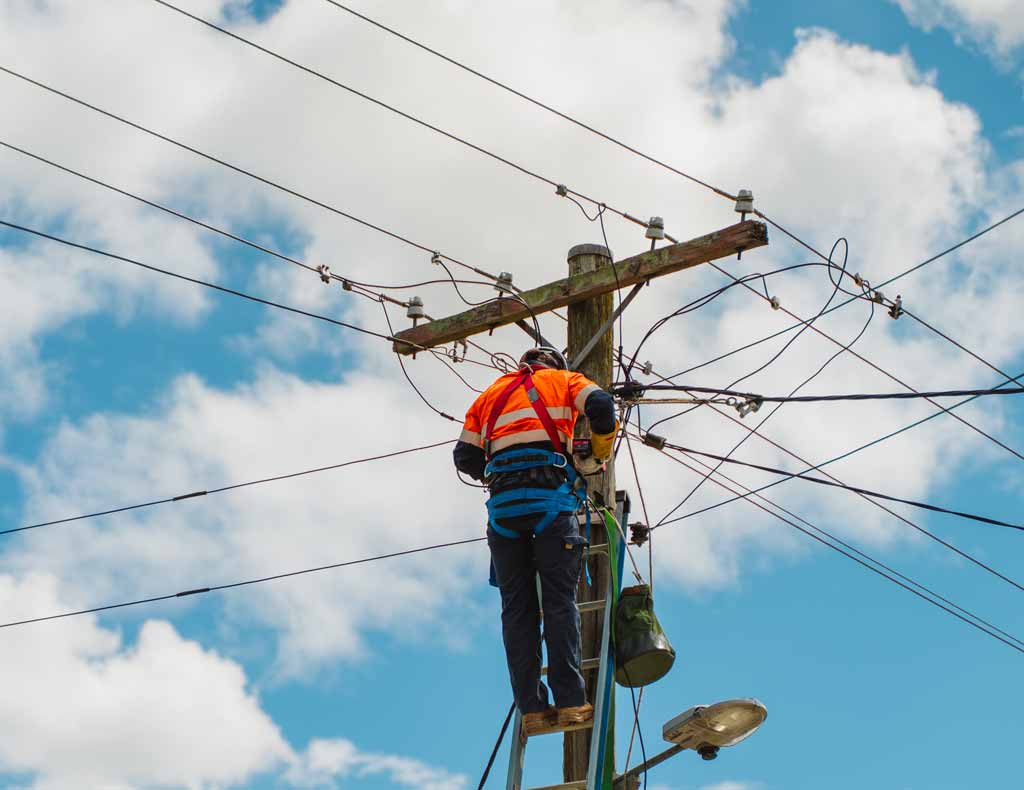
When the lights go out, many people instinctively reach for candles, open the fridge to check their food, or start up a generator. But according to Chris MAdikian, owner of Level 2 Electrician, some of the most common reactions to a power outage can actually put your safety at risk.
With power outages affecting communities from time to time, Madikian is encouraging homeowners to prepare ahead of time and avoid several key mistakes.
Avoid Using Candles; Use a Battery Lantern Instead
One of the first things many people do during an evening outage is light candles. While common, candles can be dangerous, especially in homes with children or pets.
Madikian recommends using flashlights or battery-powered camping lanterns instead. They provide more light, reduce fire risk, and help preserve your phone battery for emergencies.
Never Place a Generator Inside Your Home
Generators can be lifesavers during extended outages, but they should never be used indoors.
Madikian warns that generators, camp stoves, and barbecues all produce carbon monoxide, an odourless and potentially deadly gas. Even garages, sheds, and enclosed patios are unsafe locations.
The safest option is to keep fuel-burning equipment outdoors and away from windows and doors.
Keep the Refrigerator and Freezer Closed
Frequent trips to the refrigerator during an outage can cause food to spoil faster.
A closed refrigerator can keep food cold for about four hours, while a full freezer can maintain safe temperatures for up to 48 hours if left unopened.
Madikian suggests keeping a frozen water bottle in the freezer as a simple way to monitor whether temperatures have risen significantly.
Don’t Attempt Electrical Repairs Yourself
If the power goes out, it’s reasonable to check whether a circuit breaker has tripped. Beyond that, homeowners should leave electrical work to professionals.
Madikian says residents should never approach or attempt to move a fallen power line, even if it appears inactive. Power lines can remain energized and pose a serious risk of injury or death.
If only your home is affected, contact your utility provider for assistance.
Don’t Turn Everything Back On at Once
When power is restored, it can be tempting to switch everything back on immediately. Madikian advises against it.
Electronics such as televisions, computers, and gaming systems should be powered up gradually. Turning on too many devices at once can strain household circuits and add demand to the electrical grid.
Start with essentials like heating or cooling systems, then reconnect other devices over time.
Preparation and Planning Are Key
Madikian says the best way to handle a power outage is to prepare before one happens.
Emergency supplies should include flashlights, lanterns, phone charging banks, bottled water, blankets, first-aid supplies, and non-perishable food. Keeping those items together in an easy-to-access location can make outages much less stressful.
This safety advice was provided by Chris Madikian, owner of Level 2 Electrician.