BU NEWS — November 5, 2026
BRANDON – A Global Affairs Canada-supported initiative has strengthened research, professional development and educational connections between Brandon University (BU) and The Mico University College in Kingston, Jamaica.
During the 2025-2026 funding cycle, Dr. Aloysius Anyichie, Associate Professor of Educational Psychology and Student Services in BU’s Faculty of Education, led the Global Affairs Canda-supported research and faculty-development initiative at Mico as principal investigator.
The project, Enhancing Student Engagement and Motivation through the Implementation of the Culturally Responsive Self-Regulated Learning Framework in Jamaica, received $6,986 through Global Affairs Canada’s Faculty Mobility for Partnership Building Program (FMPBP).
The FMPBP supports Canadian faculty members undertaking short-term teaching and research activities in Latin America and the Caribbean. The program is intended to help Canadian post-secondary institutions create and strengthen international partnerships through research, teaching, capacity building and academic exchange.
Supporting culturally responsive teaching and self-regulated learning
As part of the initiative, Anyichie facilitated a series of professional-development workshops engaging more than 20 Mico faculty members.
The workshops explored self-regulated learning, culturally responsive approaches to student motivation and engagement, and the integration of these perspectives through Anyichie’s Culturally Responsive Self-Regulated Learning (CR-SRL) Framework.
The sessions invited participants to consider how students’ cultural identities, lived experiences and ways of knowing could be incorporated into meaningful learning activities. Faculty members also explored strategies for supporting learners to set goals, make choices, monitor their progress, respond to feedback and reflect on their learning.
“Culturally responsive teaching and self-regulated learning are sometimes approached as separate areas of educational practice,” Anyichie said. “This initiative provided an opportunity for educators to examine how they can be integrated to create learning environments that recognize students’ cultural experiences while strengthening their motivation, agency and capacity to regulate their learning.”
The workshops emphasized practical application as well as conceptual understanding. Participating faculty members reflected on their current practices, examined research-informed instructional strategies and developed preliminary plans for applying CR-SRL principles within their courses and disciplinary contexts.
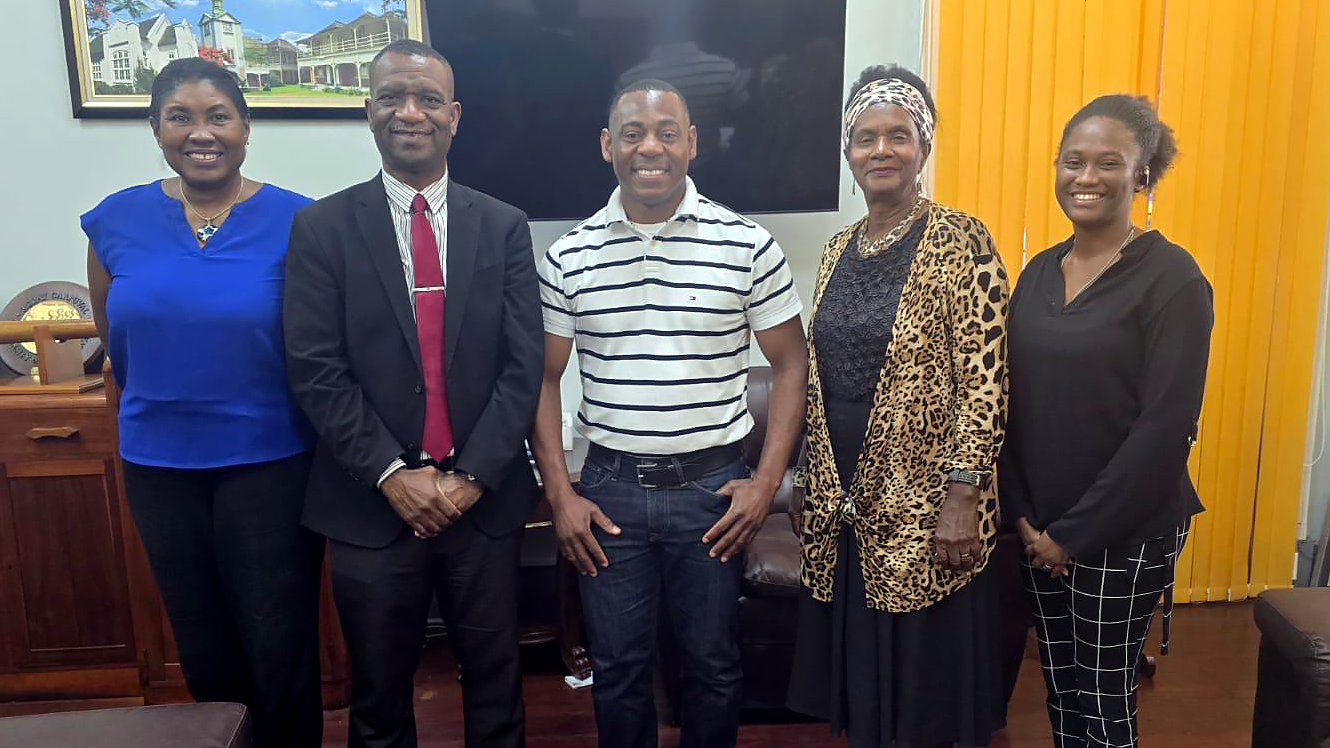
At Mico, the initiative was supported by Sandra Grey-Alvaranga, Deputy Director of the Institute of Technological and Educational Research (ITER); Dr. Beverly Johnson, who collaborated on the research; and Amanda Blair, an ITER research assistant who supported the project’s implementation and data-collection activities.
The initiative also included an initial phase of research examining participants’ learning and their translation of CR-SRL principles into contextually relevant teaching practices.
Research findings shared nationally and internationally
Preliminary findings indicated growth in participants’ knowledge of self-regulated learning and confidence in applying related practices. The findings also provided insight into how MICO faculty members interpreted and adapted the CR-SRL Framework for their educational and cultural contexts.
Anyichie presented preliminary findings from the initiative at two scholarly conferences in 2026: the Canadian Society for the Study of Education Conference in Winnipeg, as well as at the American Psychological Association Convention hosted in Washington, D.C.
“The conference presentations allowed the learning from the initiative to contribute to wider conversations about faculty professional development, culturally responsive teaching, self-regulated learning, and student engagement,” Anyichie said. “They also created opportunities to receive feedback and consider the next stage of this cross-cultural research.”
The completed professional-development activities, preliminary findings and conference presentations provide a strong foundation for future comparative and cross-cultural research. Anyichie is exploring opportunities to extend this work through continued international collaboration and external funding.
Building relationships through collaboration
Sandra Grey-Alvaranga, Deputy Director of the Institute of Technological and Educational Research at The Mico University College, who coordinated and supported the initiative, said:
“The initiative provided a valuable opportunity for research collaboration with Dr. Anyichie at Brandon University. The workshops on culturally responsive teaching and self-regulated learning, encouraged reflection, practical application and important conversations with faculty members about supporting student motivation, engagement and learning within the Jamaican context. We value the professional and scholarly exchange and look forward to continued collaboration.”
The FMPBP initiative represented one dimension of growing engagement between Brandon University and Mico during the 2025-2026 period.
During the same period, three Mico students became their institution’s first cohort to study at BU through the Emerging Leaders in the Americas Program. The student exchange added a student-mobility dimension to the developing relationship between the two institutions.
While in Jamaica, Anyichie also held exploratory discussions with educational leaders and faculty members at The University of the West Indies. The conversations identified shared interests in faculty development, student engagement, formative assessment and the possible application of the CR-SRL Framework within Caribbean higher education.
These discussions are yet to be developed into a funded research project. They nevertheless provide a possible foundation for future collaboration
Advancing cross-cultural research through CREAMS
The Mico study forms part of a broader program of cross-cultural research being advanced through the Culture, Regulation of Engagement, Achievement Motivation, and Success (CREAMS) Research Lab, developed and directed by Anyichie at Brandon University.
The CREAMS Research Lab examines how culture influences students’ regulation of learning, engagement, motivation and academic success. It also provides opportunities for research collaboration, student mentorship, professional development and knowledge mobilization.
“The Mico initiative illustrates the kind of cross-cultural and collaborative research that CREAMS is intended to advance,” Anyichie said. “The longer-term goal is to work with educators and institutional partners in different contexts to understand how research-informed frameworks can be interpreted and applied in locally meaningful ways.”
The project contributes to Anyichie’s wider research program integrating culturally responsive pedagogy and self-regulated learning to support diverse learners’ motivation, engagement and academic success.
“Dr. Anyichie’s leadership in this initiative reflects the Faculty of Education’s commitment to research that is collaborative, culturally responsive and connected to educational practice,” said Dr. Alysha Farrell, Dean of Education at Brandon University. “The work creates meaningful opportunities for educators to learn across cultural and institutional contexts while contributing to a growing international research program focused on student engagement, motivation and success.”
Source: Submitted by B.U.