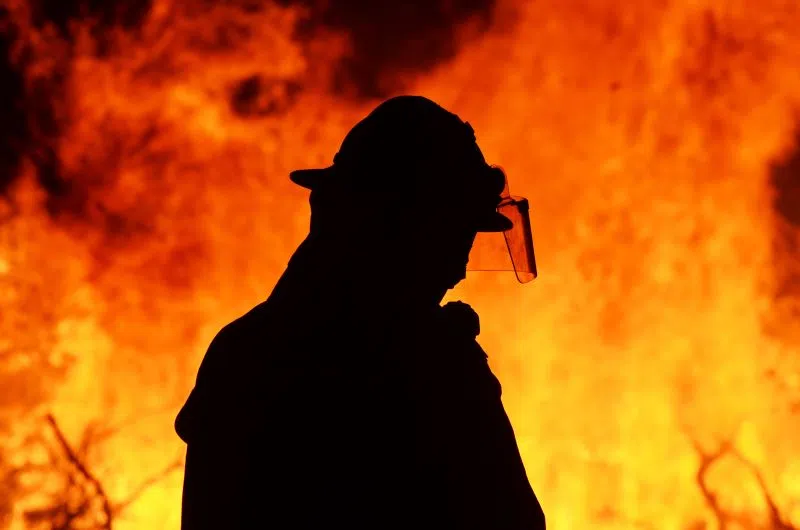
Canada is facing one of its most intense wildfire seasons in modern history, with the number of active fires surging from 858 just four days ago to nearly 1,000 today — a spike driven by extreme heat, drought and relentless lightning. More than 5,000 firefighters are now deployed nationwide, and Prime Minister Mark Carney says the country is in “one of the most intense wildfire seasons in Canadian history,” as smoke continues to trigger air‑quality warnings across Canada and deep into the United States.
Northern Ontario remains one of the hardest‑hit regions, with almost 200 fires burning and several communities forced to flee over the weekend. Whitewater Lake First Nation says homes, community buildings and culturally significant sites have been destroyed, leaving residents devastated by the scale of the loss. Nearby, Neskantaga First Nation is being evacuated to Toronto today after Thunder Bay ran out of hotel rooms — a sign of how strained emergency resources have become.
Nationally, more than 200 fires are classified as out of control, contributing to smoke advisories stretching from British Columbia to Newfoundland. Environment officials warn shifting winds could worsen conditions this week, with smoke expected to drift south into the U.S. Midwest and Northeast.
Manitoba’s Current Wildfire Situation
Here in Manitoba, the province’s latest FireView report shows 144 active wildfires, including 7 out of control. Most of the activity remains concentrated in the north, where smoke has periodically reduced visibility and prompted air‑quality alerts in several communities. Officials say Manitoba’s numbers have climbed steadily alongside the national surge, reflecting how quickly conditions can deteriorate during prolonged heat and drought.
With nearly 1,000 fires now burning and thousands of personnel on the ground, officials warn the season is far from over. Carney says Canadians should brace for continued volatility — and stay alert to evolving air‑quality advisories.